

"Olive oil should not be used for high-heat cooking" — many people still take this as common knowledge. But the scientific evidence may offer another perspective.
In 2018, Australia's Modern Olives laboratory published a study in Acta Scientific Nutritional Health that heated extra virgin olive oil alongside other common cooking oils and continuously monitored their chemical changes. The abstract notes: "Extra virgin olive oil (EVOO) and other common cooking oils were heated to 240°C and exposed at 180°C for 6 hours, with samples evaluated at different time points for smoke point, oxidative stability, free fatty acids, polar compounds, fatty acid profile and UV coefficients. Compared with the high levels of by-products produced by oils such as canola oil, EVOO produced lower levels of polar compounds and oxidative by-products." [1]
Shanghai Cifang Cake (粢饭糕)

Pinlive's kitchen fried Shanghai Cifang cake with EVOO: olive oil mixed into rice, pressed and unmolded into pieces, fried in olive oil until golden on both sides. Crispy outside, soft inside, fragrant — no unpleasant oiliness.
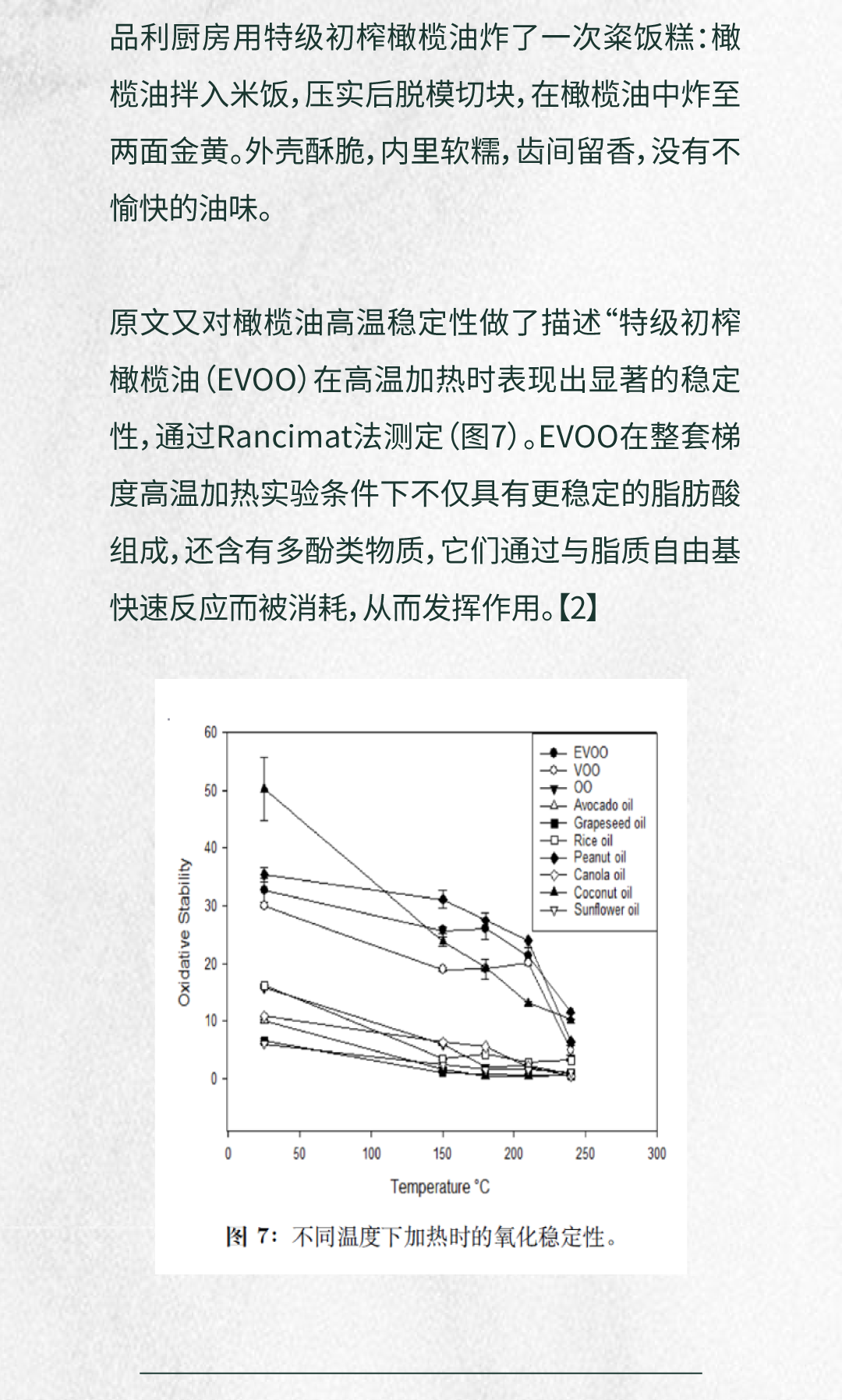
The paper also describes EVOO's high-temperature stability: "EVOO showed significant stability when heated at high temperatures, as determined by the Rancimat method (Fig. 7). Under the full set of gradient high-temperature heating conditions, EVOO not only had a more stable fatty acid composition, but also contained polyphenols that act by reacting rapidly with lipid radicals and being consumed." [2]
Honey-Roast Chicken
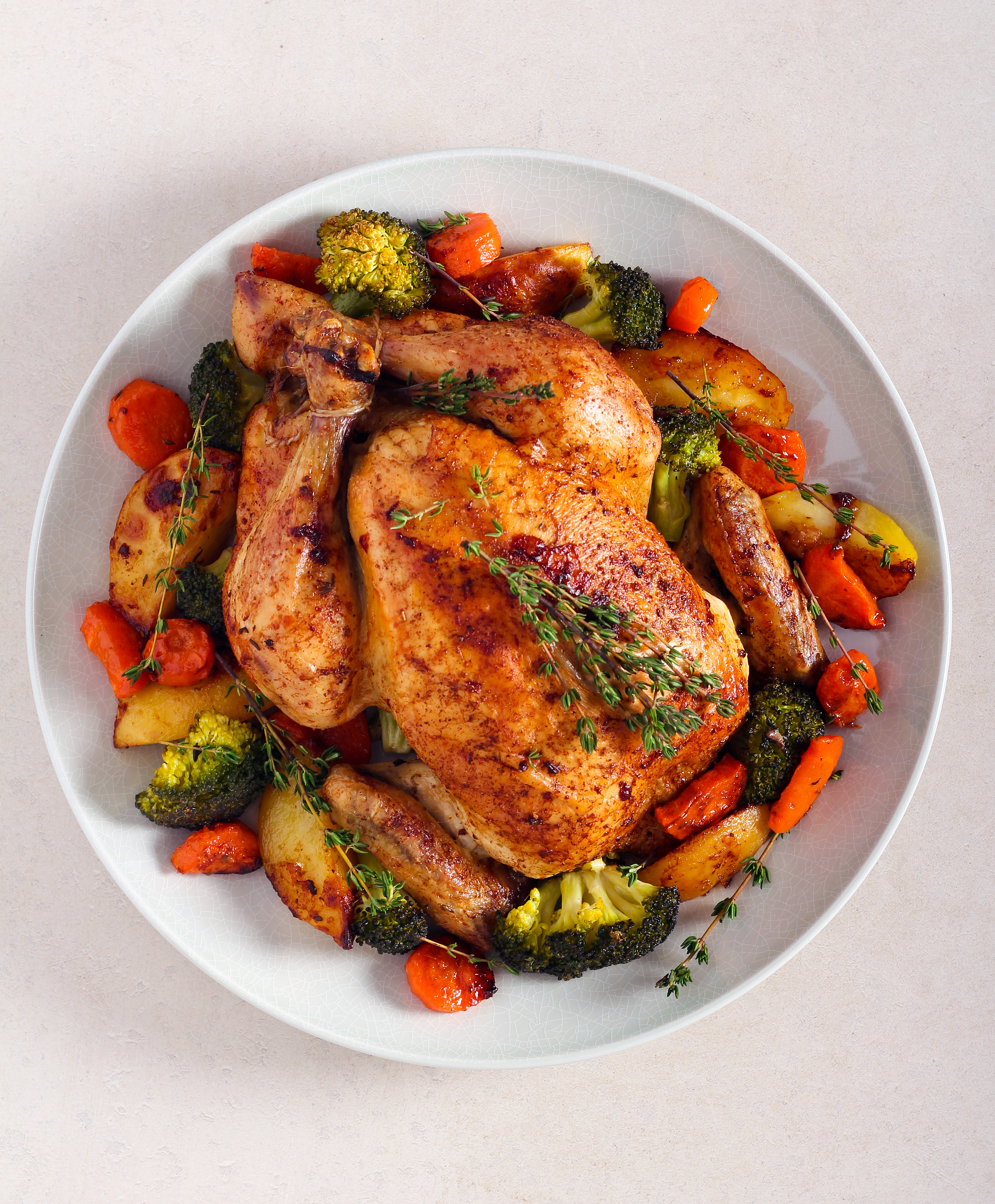
When we made olive-oil roast chicken, we found: after marinating 12 hours with olive oil and spices, then slow-roasting for 1 hour, the oil was exposed to high heat for a long time, yet the chicken remained fragrant and delicious.
The paper's overall conclusion: "In the comparison of the tested oils selected for this study, EVOO proved to be the most stable oil when heated, followed by coconut oil and other virgin oils such as avocado oil and high-oleic seed oils." [3]
Stir-Fried Luffa in Olive Oil
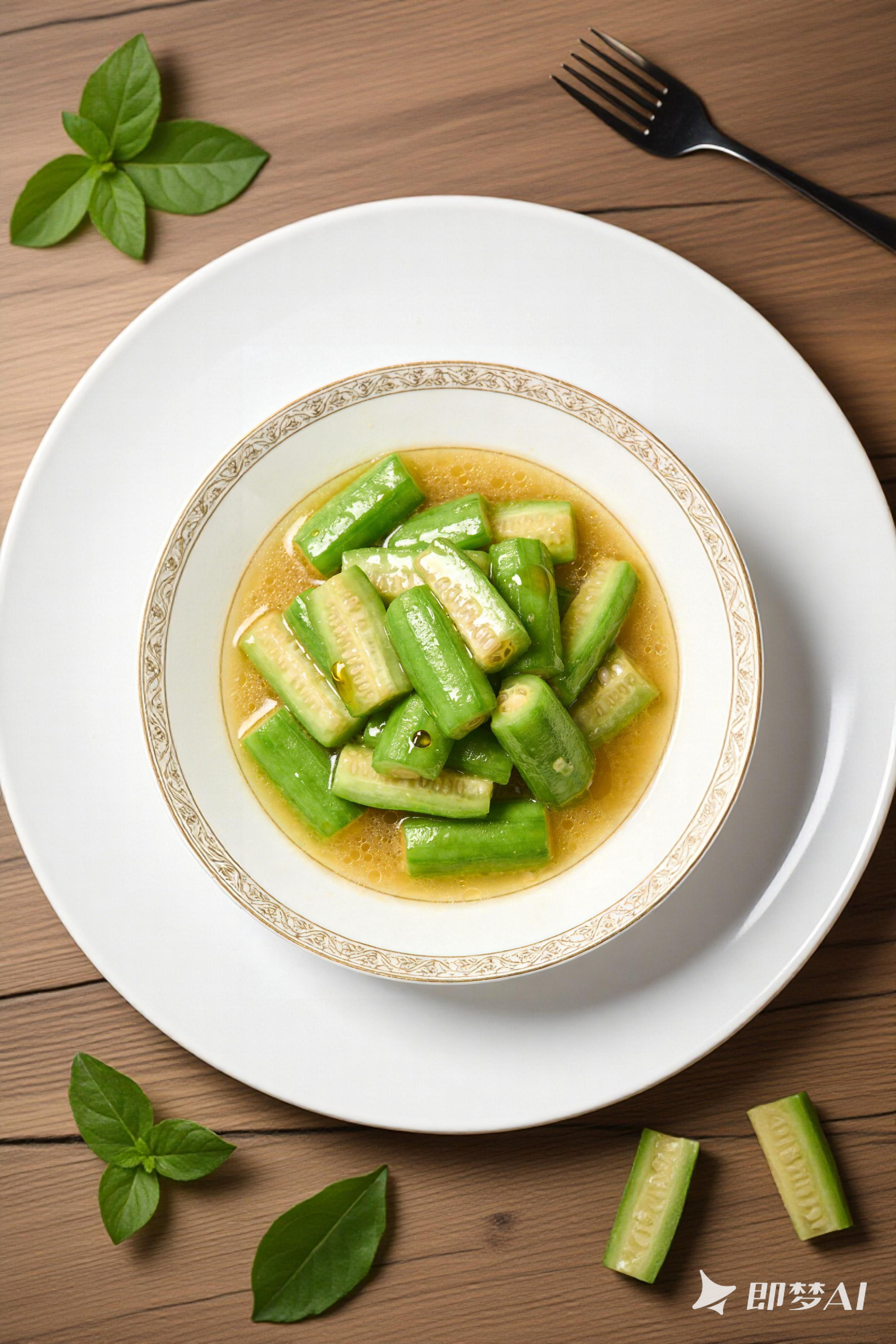
We also tested stir-fried luffa with olive oil: hot wok, cold oil, high heat and quick stir-fry, with a splash of hot water to emulsify. The luffa's natural sweetness was fully preserved, with a subtle olive oil aroma.
What Pinlive is doing is turning olive oil's suitability for Chinese home cooking into visible, follow-along videos.
References
De Alzaa F, Guillaume C, Ravetti L. Evaluation of Chemical and Physical Changes in Different Commercial Oils during Heating. Acta Scientific Nutritional Health, 2018, 2(6): 1-11.
[1] Abstract (p. 1, lines 3-5)
[2] Results & Discussion, Effect of Temperature section (p. 8, lines 10-13)
[3] Conclusion (p. 9, lines 20-22)
Related Reading
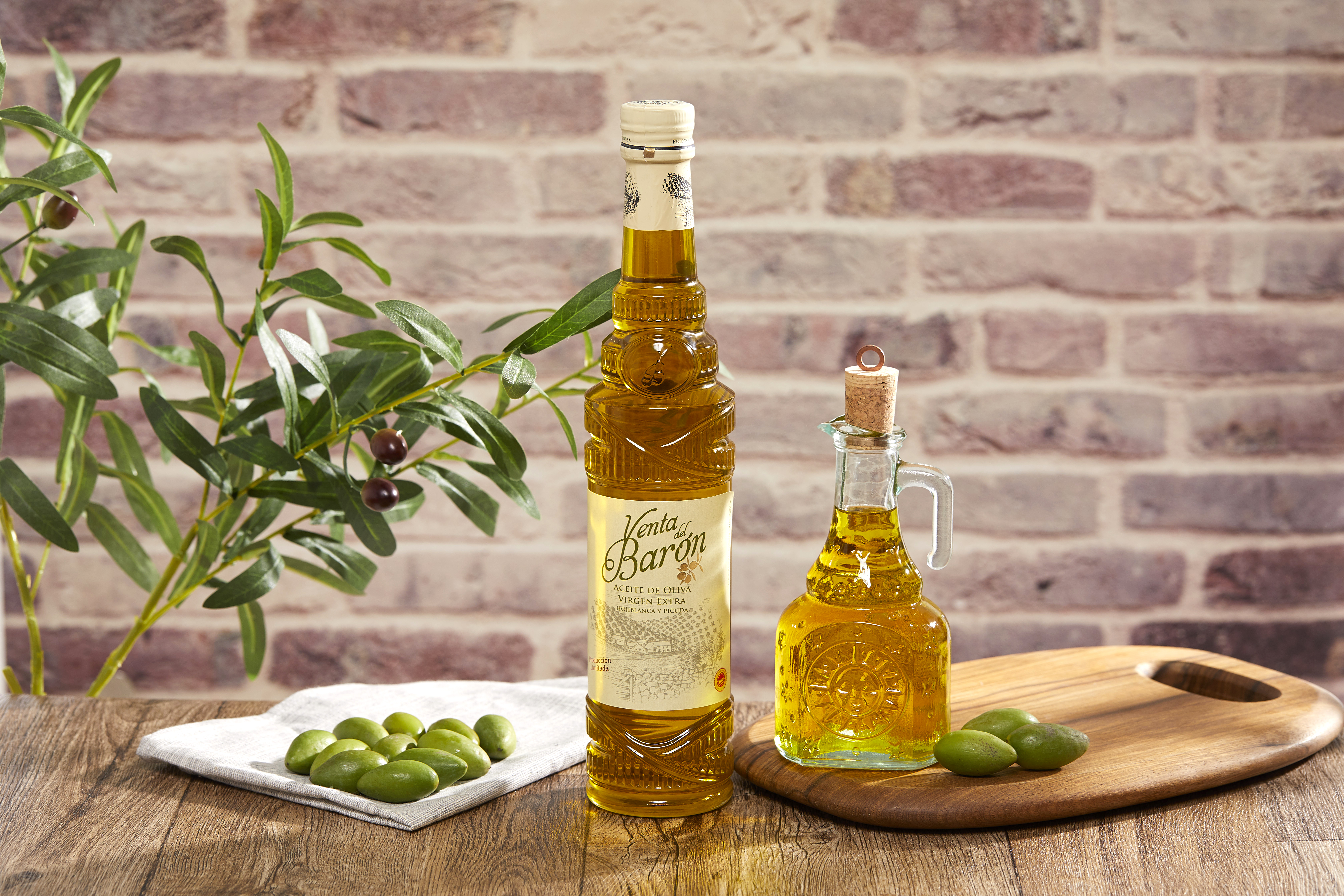
Spain contributes nearly 40% of global olive oil output; Andalusia is the core region. Can volume and quality coexist?
Learn More →
Research shows high-protein yogurt delays hunger by about an hour — a smarter post-workout snack.
Learn More →
A beautiful pairing formula for Weidendorf high-protein Greek yogurt — thick and creamy like gelato.
Learn More →