


If you are a running enthusiast, protein is certainly no stranger to you. Protein is to runners what water is to fish. Especially when you want to prevent hitting the wall and avoid excessive hunger in the second half of a long run, protein intake becomes very important.
As stated in Running & Fit (跑步圣经), during endurance exercise, 1.5–2 g of protein per kilogram of body weight per day is recommended[1]. That means a 60 kg female runner preparing for a marathon needs 90–120 g of protein per day.
Professor Liz Applegate of California State University, author of Eat Smart, Play Hard, once advised: marathon runners should consume at least 70 g of protein per day, and even more with higher mileage. She stressed that protein should be replenished immediately after training, especially when the run exceeds 16 km.[2]

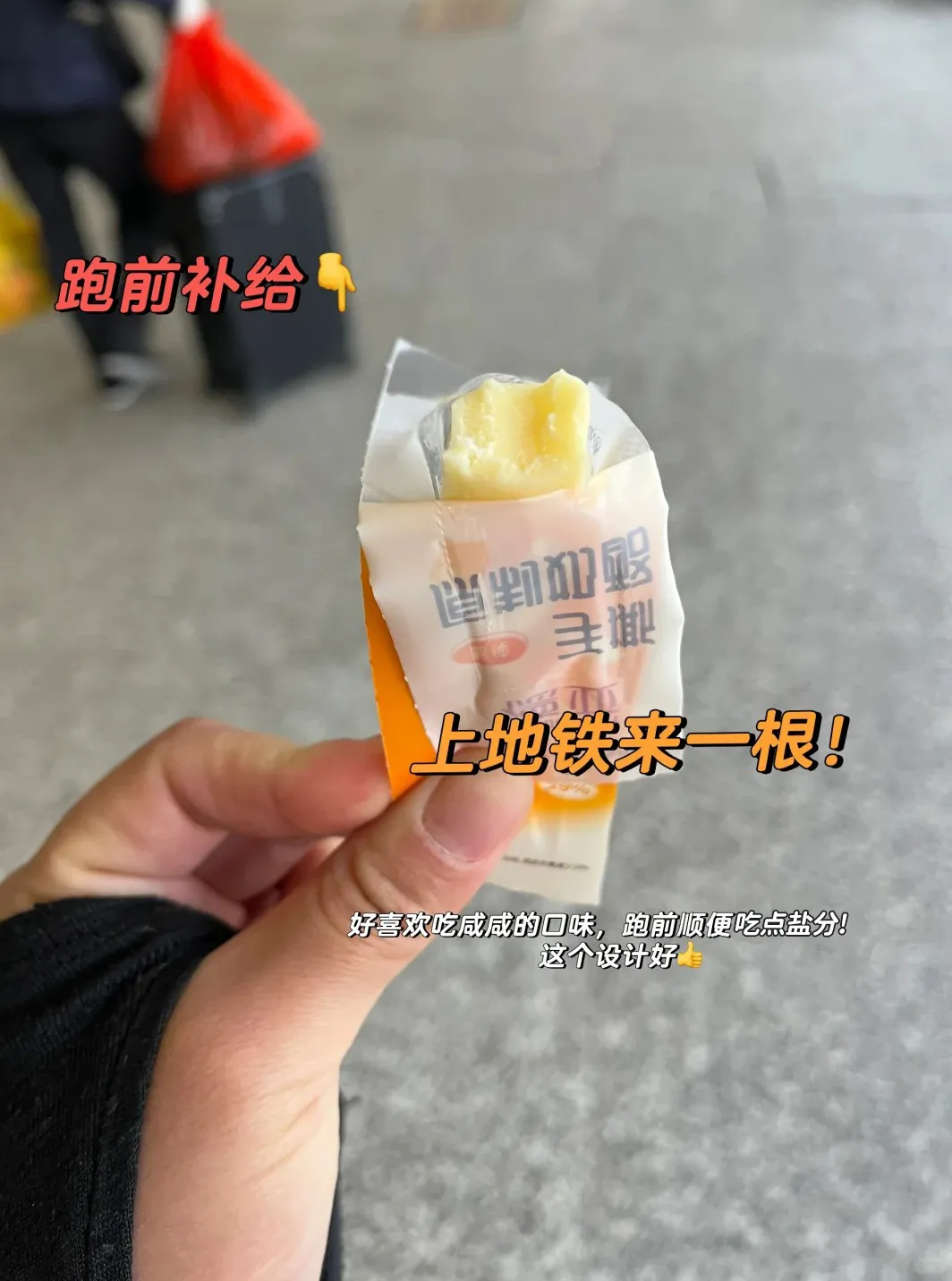
↑ Images courtesy of @徐曼教练 on Xiaohongshu, used with permission
Common protein sources in daily life include meat, eggs and beans. However, there is a protein source well known among foreign runners but less common in Chinese diets: cheese.
In fact, as a high-protein food, cheese frequently appears in the recommended meal plans of many professional runners abroad.
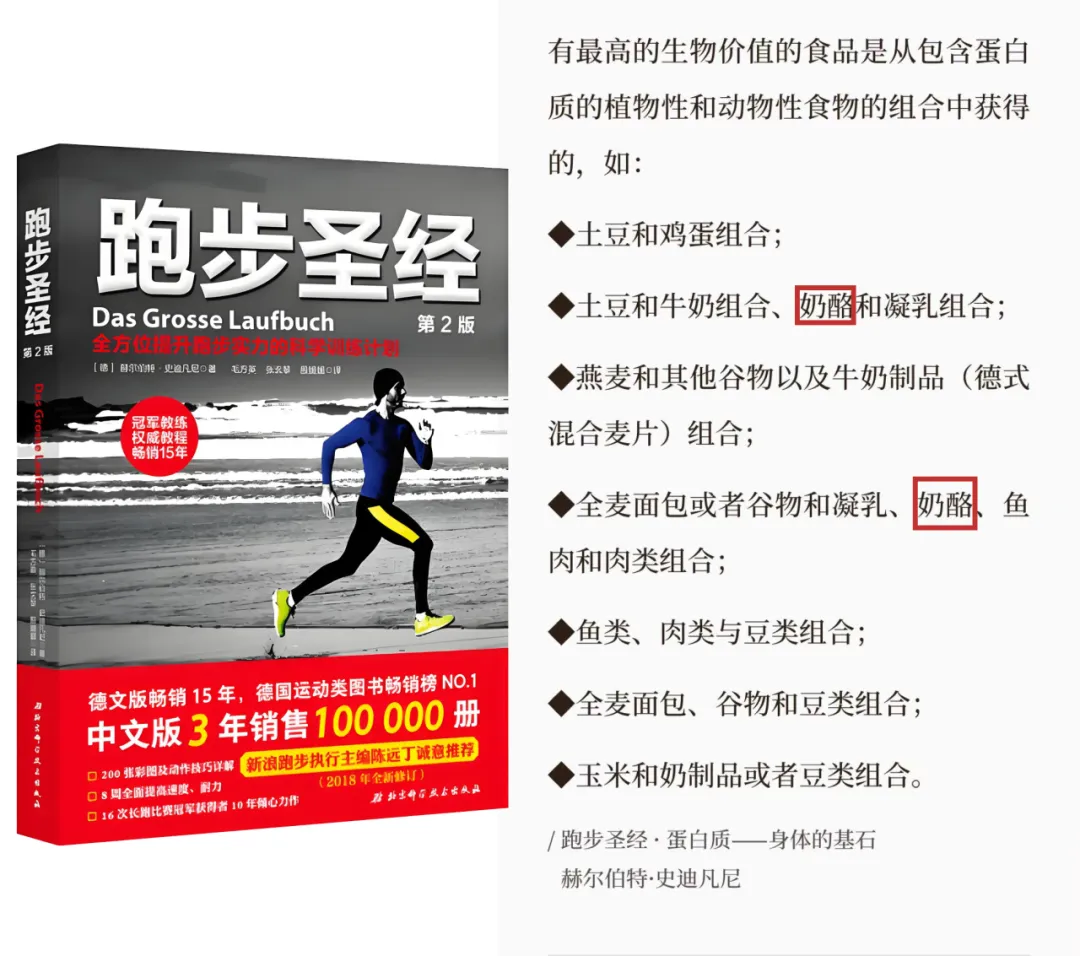
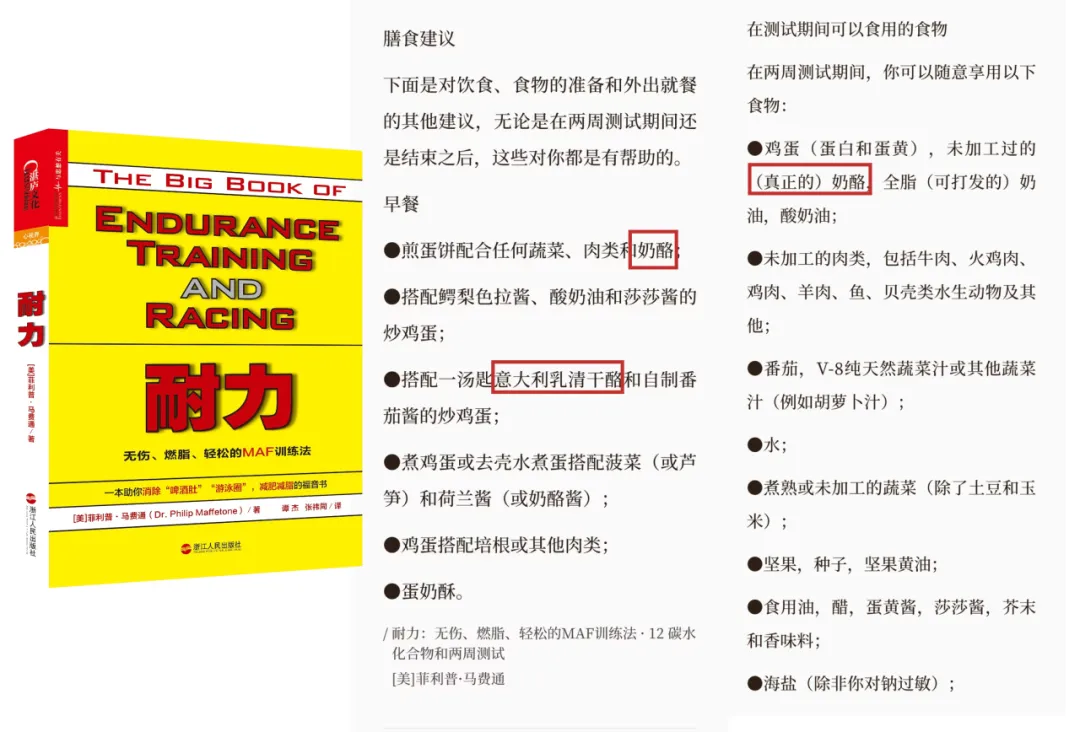
Dietary advice from references [2] & [5]
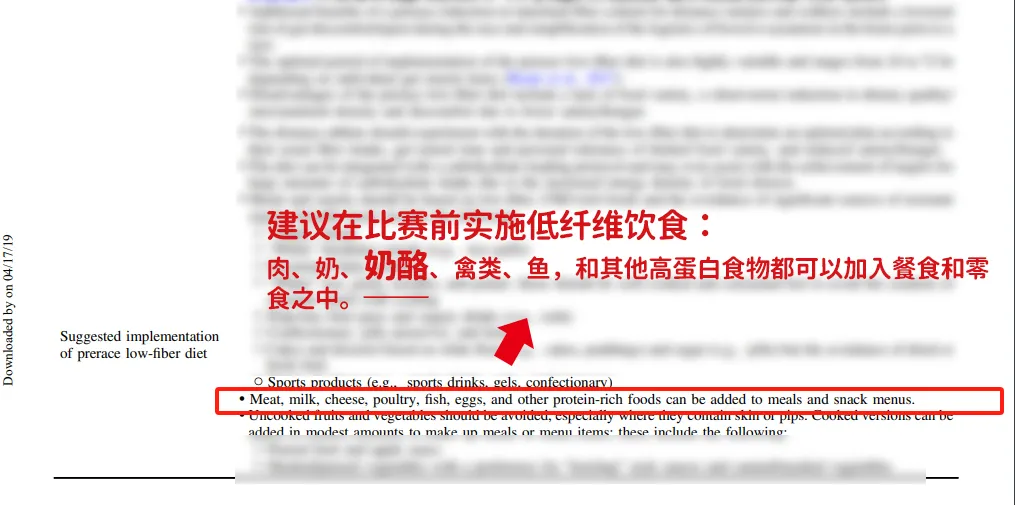
*Image source: reference [4]
World Athletics (IAAF) has published Modern Nutritional Strategies for Optimizing Performance of Long-Distance and Race-Walking Athletes, and cheese, as a high-protein food, is on the recommended list.
Why Is Cheese Suitable for Runners?
Why is cheese such a good food for runners? For these reasons:
1. Extremely high protein content. Weight for weight, cheese contains more protein than beef, fish, milk, eggs and most other familiar high-protein foods[3].
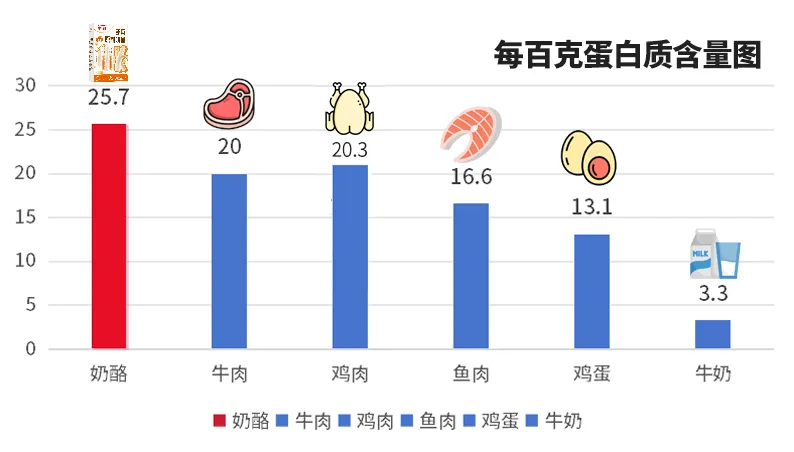
The cheese shown is Weidendorf reduced-fat* string cheese; protein per 100 g
2. Longer-lasting satiety. Unlike other sports, many runners keep high mileage or train for long hours. When a long run reaches its second half, hunger tends to grow. This hunger has multiple causes, certainly including energy expenditure.
Protein is one of the important energy sources, and many runners supplement it before and after exercise. Compared with other high-protein foods, cheese has another advantage beyond protein content: most of its protein is casein — a slow-release protein that provides longer-lasting satiety and steady energy.
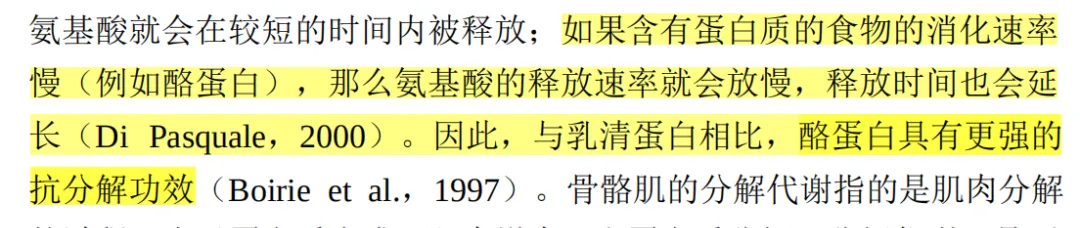
Source: Bill I. Campbell, Maria A. Spano, NSCA's Guide to Sport and Exercise Nutrition[M], Posts & Telecom Press, 2018
3. Light on the body. Weidendorf string cheese is low in lactose, so lactose burden is not a concern. Natural cheese also contains salt in its ingredients, retaining a lightly savory taste that supplies electrolytes for exercise.
References
[1] Herbert Steffny, Running & Fit (2nd ed.)[M], Beijing Science & Technology Press, 2018
[2] Hal Higdon, Marathon: The Ultimate Training Guide (4th ed.)[M], Zhejiang People's Publishing House, 2015
[3] Data from China Food Composition Tables, 6th ed., Vol. 2: milk (101101x) 3.3 g/100g protein; egg (111101x) 13.1 g/100g; beef (082101x) 20.0 g/100g; fish (121102) 16.6 g/100g; chicken (091101x) 20.3 g/100g.
[4] Louise M. Burke, Asker E. Jeukendrup, Andrew M. Jones, Martin Mooses, International Journal of Sport Nutrition and Exercise Metabolism, 2019, 29, 117–129
[5] Philip Maffetone, Endurance Training and Racing: The MAF Method[M], Zhejiang People's Publishing House, 2017
*Compared with Weidendorf string cheese (original) (labeled fat 25.3 g/100g), fat content reduced by 29%
Related Reading
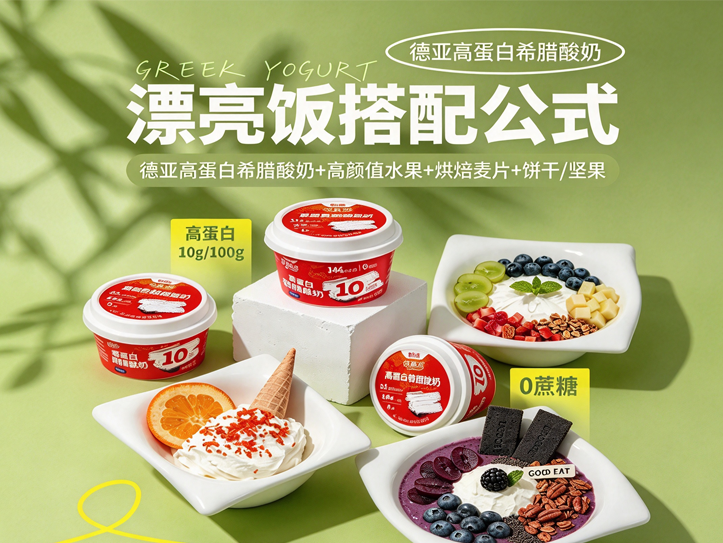
A beautiful pairing formula for Weidendorf high-protein Greek yogurt — thick and creamy like gelato.
Learn More →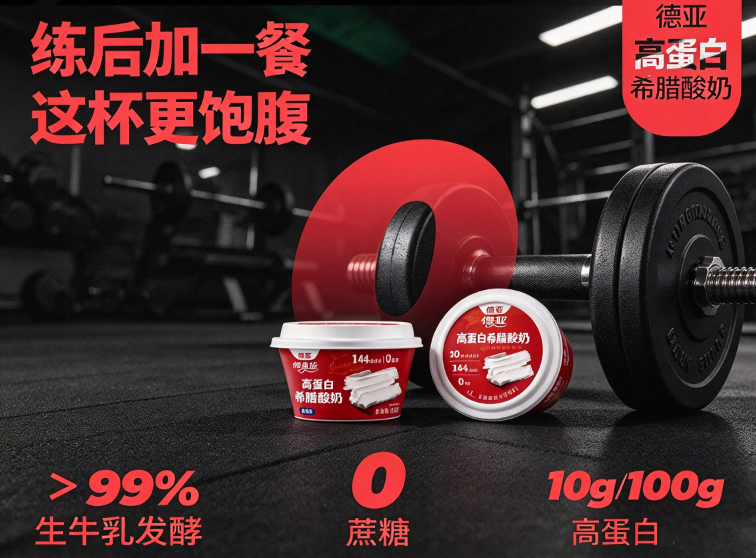
Research shows high-protein yogurt delays hunger by about an hour — a smarter post-workout snack.
Learn More →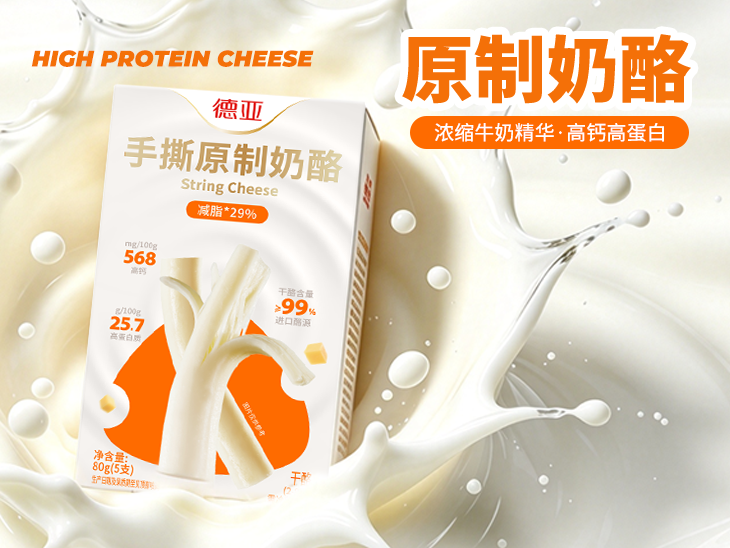
A Neurology study: daily intake of ≥50 g high-fat cheese linked to 13% lower all-cause dementia risk.
Learn More →