

High-fat foods have long been branded unhealthy "junk food" in daily diets — and in the menus of the elderly and children, "fat" is a word to avoid. Cheese, as a high-fat food, is often misunderstood and excluded from mainstream healthy eating.
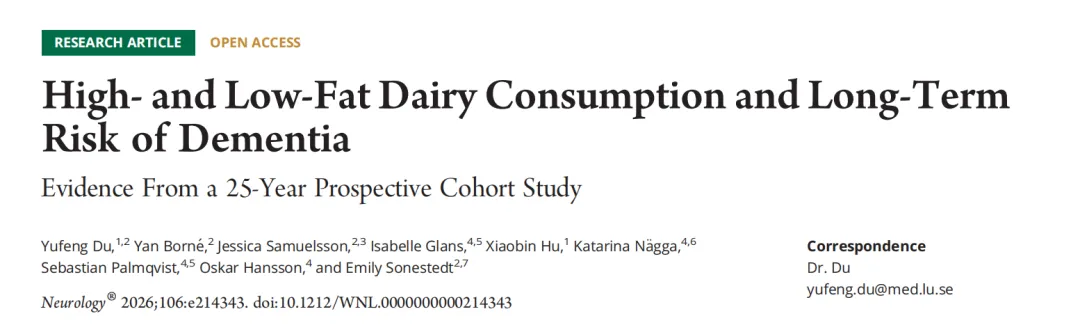
But a recent study[1] published in Neurology, the top neurology journal, has "vindicated" high-fat cheese.
The Conclusion First
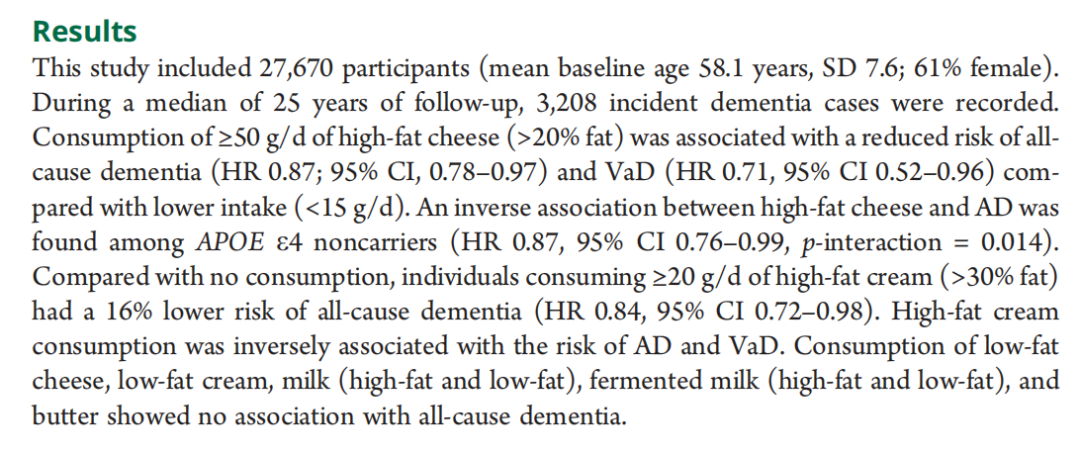
Data from the Swedish Malmö Diet & Cancer cohort — 27,670 community participants (mean baseline age 58.1 years, 61% female) followed for 25 years — show: participants consuming ≥50 g/day of high-fat cheese (fat >20%) had a 13% lower risk of all-cause dementia and a 29% lower risk of vascular dementia (VaD) compared with those consuming <15 g/day. Among non-APOE ε4 carriers, high-fat cheese intake was associated with a 13% lower risk of Alzheimer's disease (AD), and there was a significant interaction between high-fat cheese intake and APOE ε4 status.
*APOE ε4 is a common allelic variant of the Apolipoprotein E gene, closely linked to multiple health risks, especially Alzheimer's disease (AD) and cardiovascular disease.
In addition, participants consuming ≥20 g/day of high-fat cream (fat >30%) had a 16% lower risk of all-cause dementia versus non-consumers. No association with all-cause dementia was found for other dairy products, including low-fat cheese, low-fat cream, milk, fermented milk or butter.[1]
This Study Is Not Alone
Multiple studies corroborate the positive role of cheese in dementia risk:
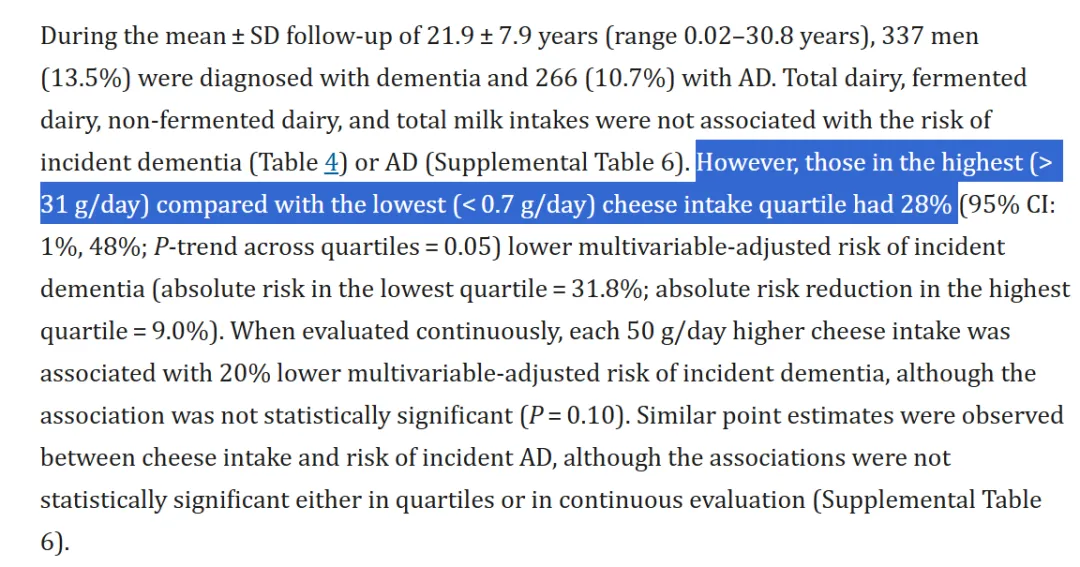
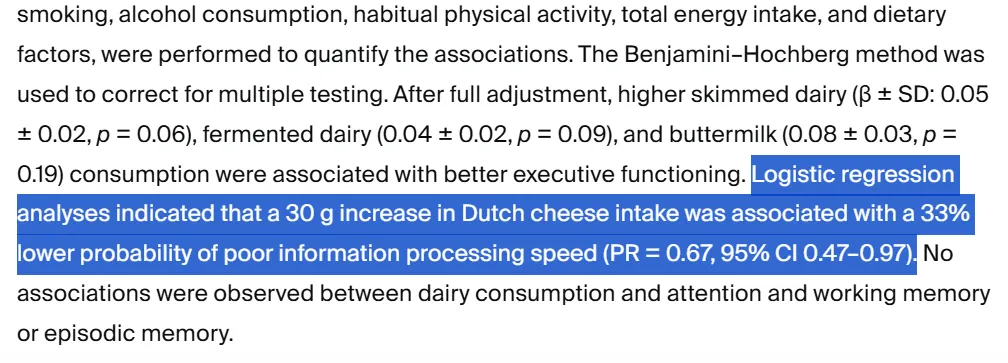
A study of 2,497 men from eastern Finland showed that those who ate more cheese (highest intake quartile >31 g/day) versus the lowest (<0.7 g/day) had a 28% lower all-cause dementia risk[2].
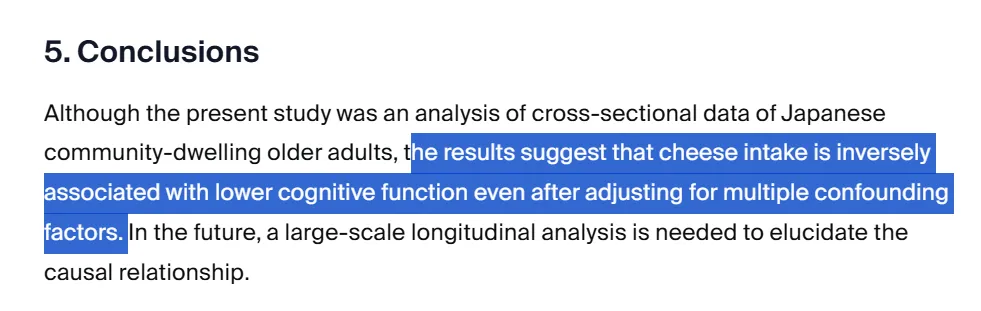
Cross-sectional studies from Japan and the Netherlands also indicate that elderly people who enjoy cheese tend to have better cognitive function[3-4].
How Should We View Cheese?
Notably, the new research does not encourage unrestrained cheese bingeing; rather, it vindicates good foods like cheese. Fat is a key component of the human body and should not be demonized wholesale. Don't fall into fat phobia — focus on the food itself. The core of healthy eating is choosing foods that are minimally processed and in their natural state.
How to Choose Cheese?
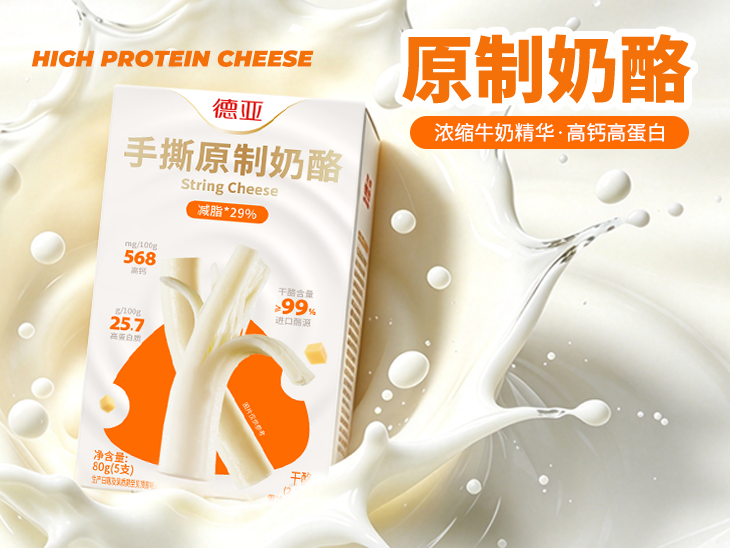
Cheese products are diverse and mixed in quality. How do you pick a healthier one? ① Choose natural (raw-milk) cheese — its dry matter/cheese content is much higher than processed cheese or cheese products, preserving more nutrients. ② Choose cheese with a clean ingredient list — fewer ingredients, more peace of mind. ③ Choose cheese higher in protein and calcium — protein supports muscle growth and maintenance, calcium strengthens bones and teeth.
Related Reading
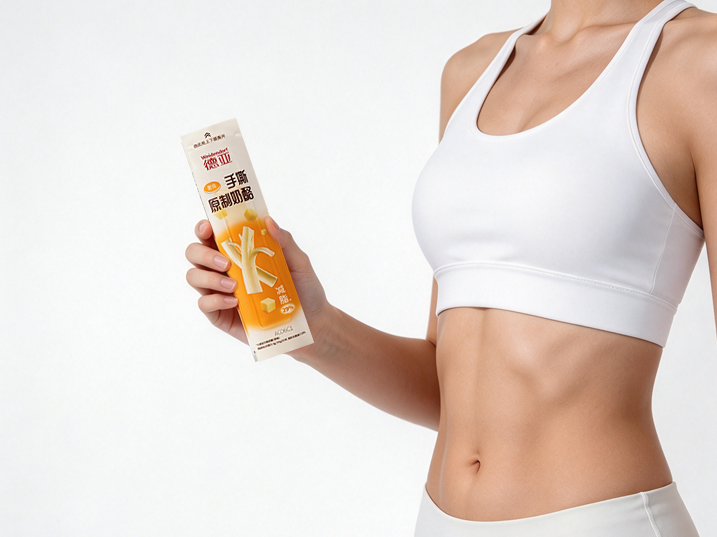
Endurance exercise calls for 1.5–2 g protein per kg per day — cheese is a premium high-protein source.
Learn More →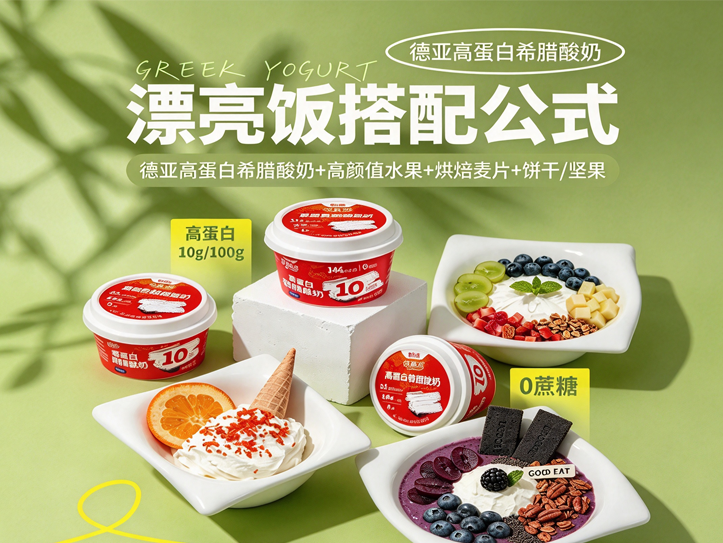
A beautiful pairing formula for Weidendorf high-protein Greek yogurt — thick and creamy like gelato.
Learn More →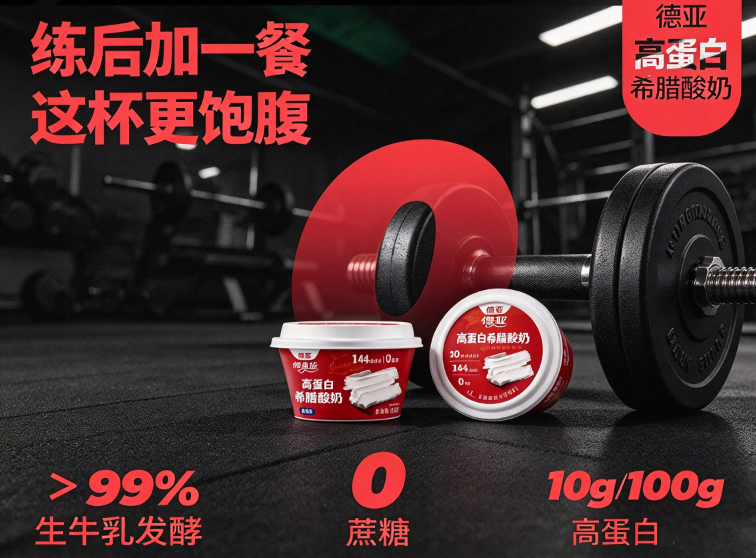
Research shows high-protein yogurt delays hunger by about an hour — a smarter post-workout snack.
Learn More →